The Economy Is Moving Faster Than Most Portfolios
 ensembleadvisor
Your financial plan may not have changed, but the economy around it has. Higher energy costs, growing federal debt, and persistent inflation are challenging assumptions about spending, borrowing, and investing.
The question isn't whether every headline deserves a response. It's whether your plan still fits the conditions you face.
High oil prices reach beyond the gas pump
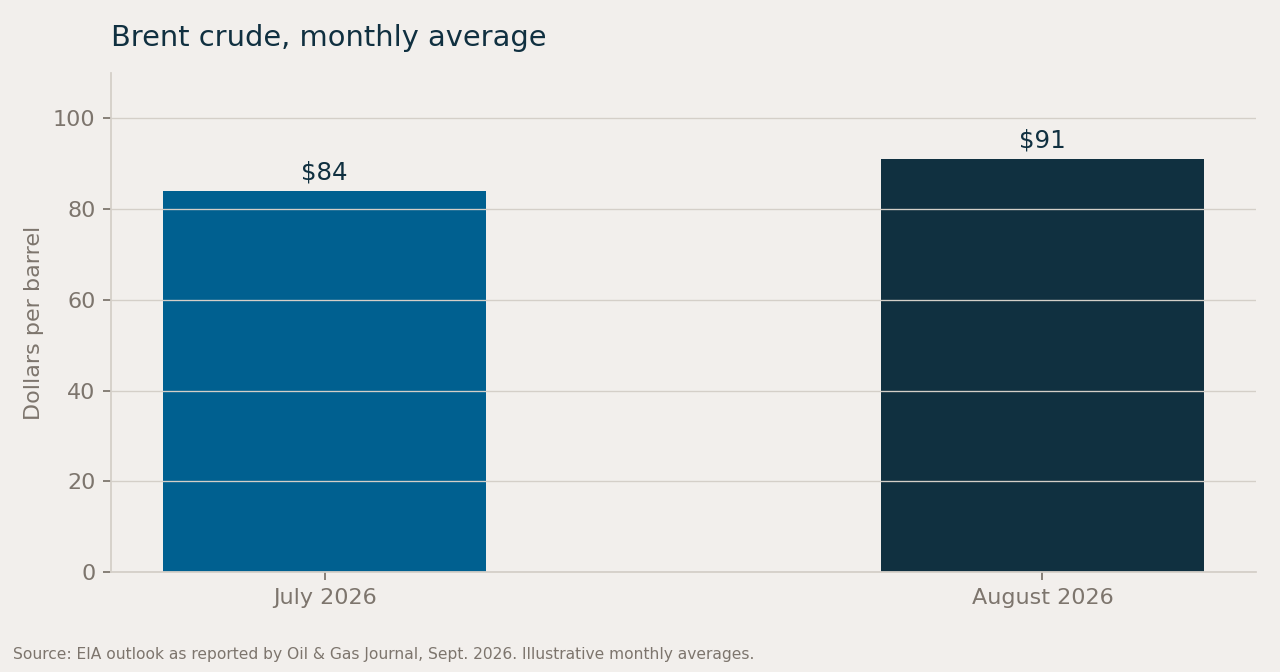
According to the Energy Information Administration's September 2026 outlook, reported by Oil & Gas Journal, Brent crude averaged $91 a barrel in August, up $7 from July as Middle East export disruptions tightened supply.1
Those pressures reach beyond gasoline. The same report describes tight diesel supplies, affecting the fuel used to transport goods.1 For households, higher energy expenses can leave less room for saving and other purchases.
Oil prices can also reverse. Treat expensive energy as a risk to prepare for, not a permanent trend to bet your entire portfolio on.
National debt adds another layer of uncertainty
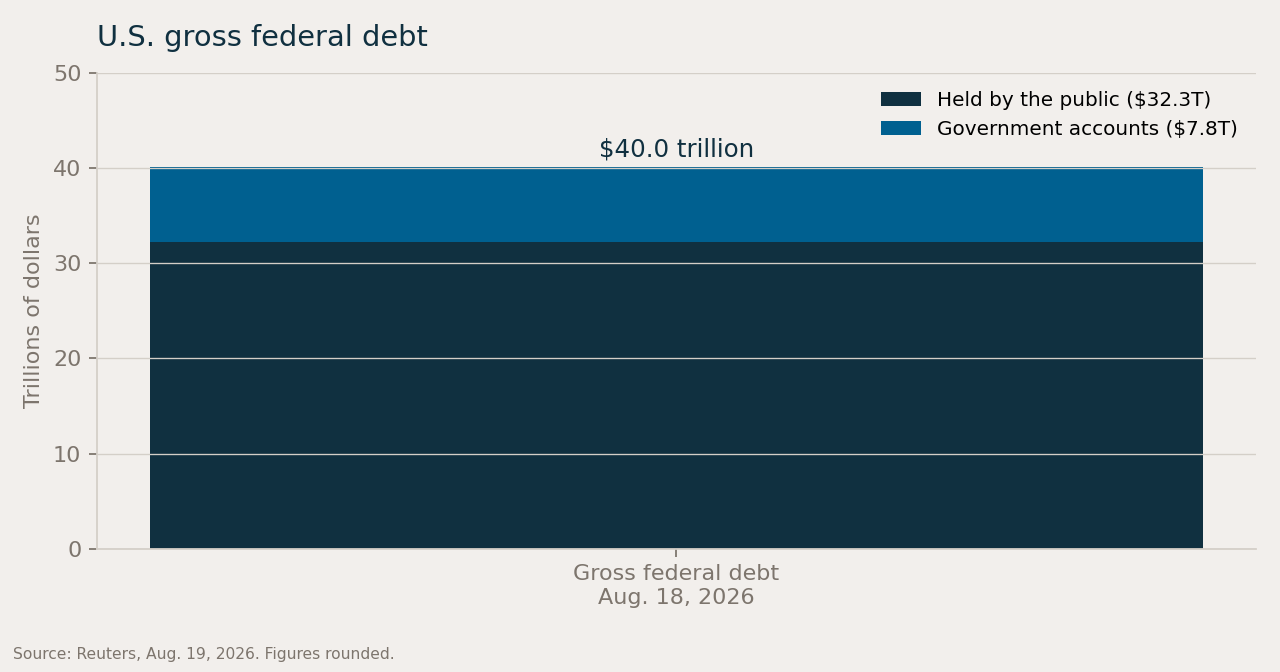
Reuters reported that U.S. gross federal debt reached $40.047 trillion on August 18, 2026. That included $32.266 trillion held by the public and $7.782 trillion in government accounts.2
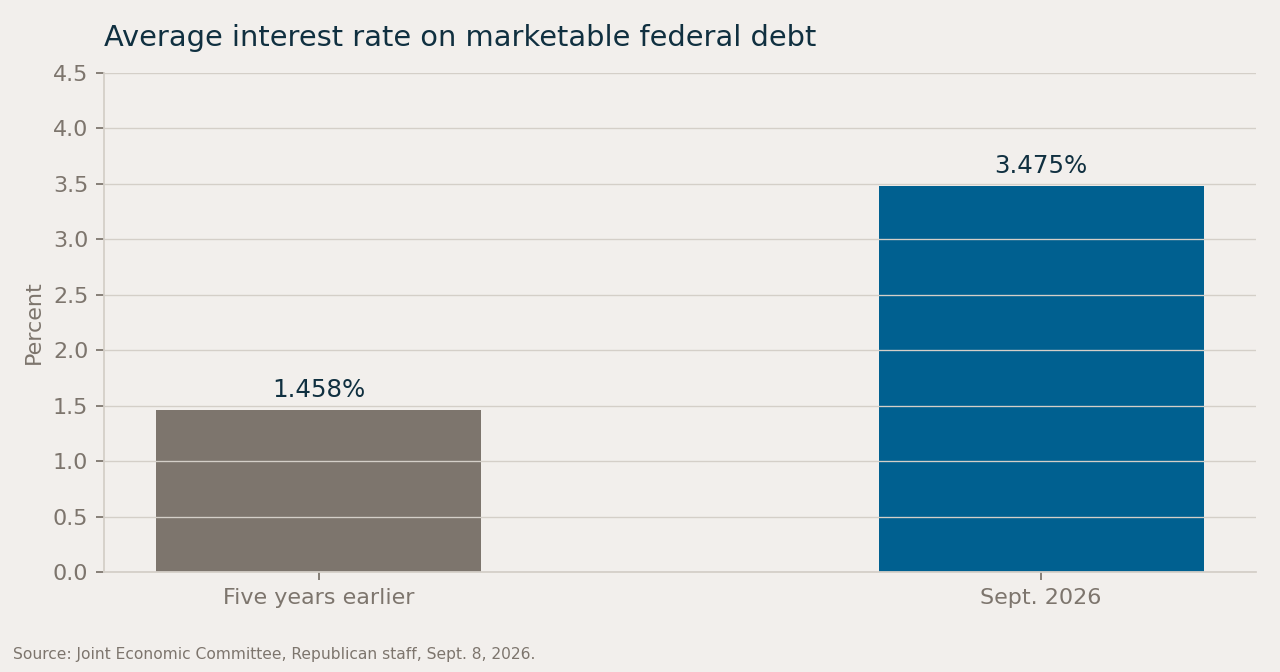
The Joint Economic Committee's September update put the average interest rate on marketable federal debt at 3.475%, compared with 1.458% five years earlier.3 Borrowing costs matter more when there is a larger debt balance to service.
For investors, the concern extends beyond Washington. Treasury yields influence borrowing costs and investment valuations. Reuters also reported rising compensation demanded by investors for holding longer-term Treasuries.2
That doesn't make a crisis inevitable. It does make assuming a quick return to exceptionally cheap money a questionable planning choice.
Inflation quietly changes your goals
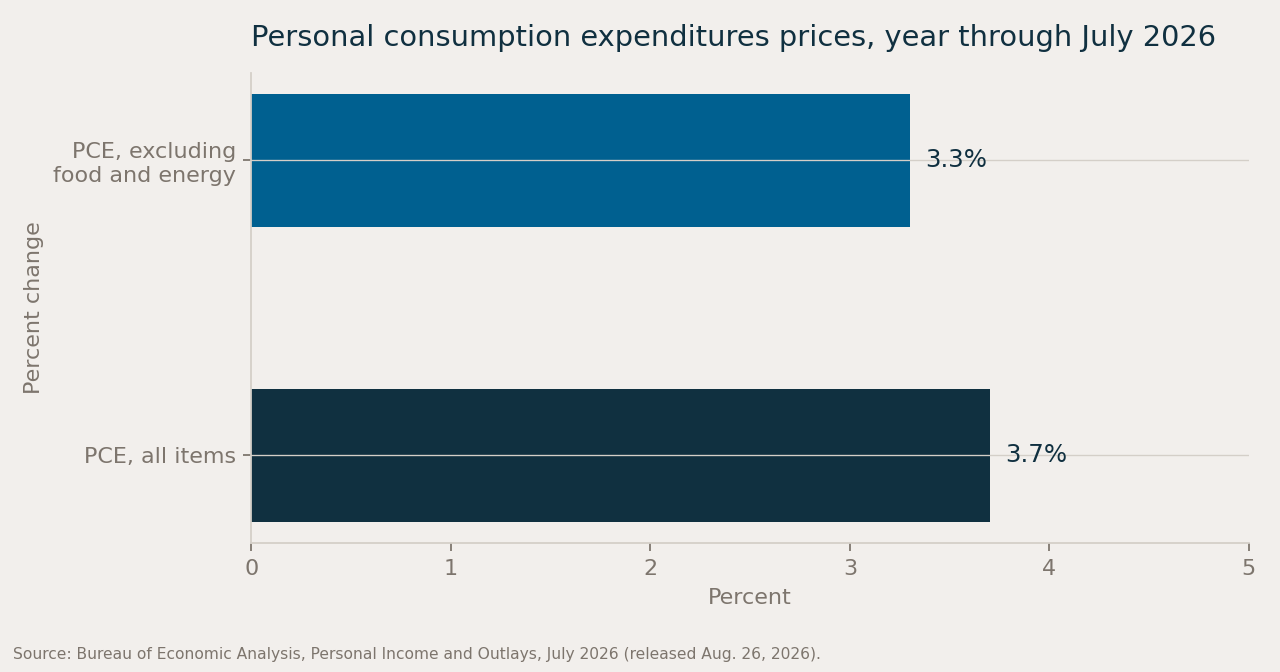
The Bureau of Economic Analysis reported that its personal consumption expenditures price index rose 3.7% over the year through July 2026. Excluding food and energy, prices rose 3.3%.4
Inflation matters because your goals are measured in purchasing power, not just account balances. A retirement budget that once looked comfortable may need revisiting if everyday expenses have climbed.
Review the assumptions behind your plan: spending, savings contributions, investment returns, and future withdrawals. A forecast doesn't need to be perfect to be useful, but it should leave room for disappointment.
How investors should adjust their financial plans and portfolios
Start with your needs rather than a prediction about the next market move.
- Make cash intentional. Separate emergency reserves and upcoming expenses from long-term investments. Compare yields, accessibility, and protections rather than leaving cash unattended.
- Review bond risk. Duration describes sensitivity to interest-rate changes. Check whether that sensitivity fits your spending timeline instead of assuming every bond investment provides the same stability.
- Check diversification. Look for excessive exposure to a few companies, sectors, or markets. Avoid replacing one concentrated position with a new bet on whatever recently performed best.
- Stress-test your plan. Consider persistent inflation, higher borrowing costs, and a market decline near retirement. Adjust savings, spending, or timing alongside your portfolio allocation.
- Set rebalancing rules. Decide when to restore your intended investment mix. Consider taxes and transaction costs before trading.
These are review questions, not a universal prescription. A sound review may confirm that staying invested is appropriate. Responding thoughtfully doesn't always mean making changes.
Why knowing what to do doesn't guarantee action
A Library of Congress research review prepared for the SEC discusses investor pitfalls including inadequate diversification, performance chasing, and behavior shaped by fear of regret.5
Imagine knowing that too much of your retirement savings sits in one stock. Selling feels uncomfortable: what if it rises afterward? Keeping it feels easier, even though the concentration risk remains.
That illustrates the pull of the status quo and loss aversion: familiar choices feel safer, while potential losses carry emotional weight. The same research review examines these behavioral tendencies.5
Waiting can feel prudent. Sometimes it is. But waiting indefinitely for certainty can become a way to avoid discomfort rather than manage risk.
Give decisions a process. Write down your goals, allocation, and reasons for making changes. Schedule reviews and assign deadlines to agreed actions. The aim is to distinguish deliberate patience from emotional avoidance.
The bottom line
Hiring a qualified financial professional can help you analyze changing conditions, test assumptions, and bounce ideas off someone who can challenge your thinking. Just as importantly, an advisor can help reduce emotion's influence on decisions and turn an agreed plan into action. That may mean coordinating trades, considering taxes, or helping you resist an impulsive change. No professional can eliminate uncertainty or guarantee results, so evaluate fees, conflicts, and responsibilities carefully. The benefit is disciplined follow-through: a plan you understand, can maintain, and actually execute.
Ensemble Advisor is a publisher of general consumer education on personal finance, taxes, retirement, and estate planning. It is not a registered investment adviser, CPA firm, or law firm, and it is not affiliated with Ensemble Financial Strategies (ensembleadvice.com). Nothing here is personalized advice. Referrals to professionals may be compensated.
Notes
- EIA sees Brent near $90/bbl in second-half 2026 amid Middle East disruptions. Oil & Gas Journal, September 10, 2026.
- U.S. debt crosses $40 trillion threshold after doubling under Trump and Biden. Reuters/NBC News, August 19, 2026.
- National Debt Blasts Past $40 Trillion…. Joint Economic Committee, Republican staff, September 8, 2026.
- Personal Income and Outlays, July 2026. Bureau of Economic Analysis, August 26, 2026.
- Behavioral Patterns and Pitfalls of U.S. Investors. Library of Congress, prepared for the SEC, August 2010. Foundational behavioral research, not current market data.